Think of Argentina as the ambitious younger sibling in the wine family. The one who moved to the mountains, reinvented itself and now produces bottles that make Bordeaux nervous. This South American powerhouse stands as the fifth-largest wine producer globally, but it’s not just about volume. Argentina has cracked the code on high-altitude winemaking, producing wines with such distinctive character that they’ve essentially created their own playbook. Malbec, originally from France, has gained its most notoriety in Argentina, becoming a symbol of the country’s winemaking success. Argentina's wine is now recognized worldwide for its diversity, unique high-altitude terroirs and the remarkable quality that sets it apart on the global stage.
But this isn’t the Argentina that you have concocted in your mind. We’re talking about vineyards perched at elevations that would make a mountaineer sweat, extreme temperature swings that force grapes to develop thicker skins than a Wall Street trader, and a terroir so diverse it spans from subtropical valleys to near-Antarctic conditions. Most of Argentina’s wine regions encompass a wide range of landscapes, stretching from north to south, from Jujuy and Salta to Chubut in Patagonia. Argentina's wine regions are renowned for their remarkable diversity, spanning from arid plateaus to lush valleys, and benefit from a range of microclimates and altitudes that shape the character of their wines. Argentina's vineyards are distributed across these regions at elevations from 600 to over 3,000 meters, making them some of the highest in the world and a driving force behind the country's innovative and acclaimed wine industry.
In this in-depth profile, we’ll dissect Argentina’s wine landscape: from its staggering statistics and altitude-driven terroir to its evolving grape varieties and the wineries pushing boundaries. Whether you’re hunting for the next cult Malbec or curious about Argentina’s sustainability revolution, buckle up.
Argentina’s wine industry operates on a massive scale, yet with an intensely focused approach. The country spans 3,800 kilometres from north to south, creating one of the most geographically diverse wine portfolios on the planet. With approximately 200,000 hectares under vine as of 2024 (down from 215,000 hectares in 2020), the industry has been consolidating, shedding some vineyards while focusing on quality. Most of the vineyards in Mendoza are located in the Maipú and Luján departments. Most of the vineyards in Argentina are planted on ungrafted rootstock due to the low risk of phylloxera. The landscape comprises 874 wineries spread across 14 provinces, organized into 106 official Geographical Indications.
Mendoza alone accounts for 71% of national production, covering roughly 148,000 hectares, followed by San Juan with 21%. Mendoza province produces more than 60% of Argentina's wine and a higher percentage of the country's total exports. The remaining 8% is scattered across regions such as Salta, Catamarca, La Rioja and Patagonia: small in scale but disproportionately influential in shaping Argentina’s premium wine reputation. These are considered major regions in Argentina’s wine industry, each contributing unique styles and grape varieties. For example, the Salta region produces high-altitude wines with intense aromatics and vibrant acidity. Mendoza is a key wine region for Malbec production in Argentina, accounting for the majority of the country’s production.
Now, let's delve into the numbers that make Argentina one of the winemaking giants worldwide:
Argentina has a diverse and rich wine geography. The main wine regions of Argentina are located in the North, Cuyo and La Patagonia:
Mendoza and Argentina as a whole are recognized as major players in Latin America’s wine scene, with Mendoza standing out as a leading region in South American wine production.
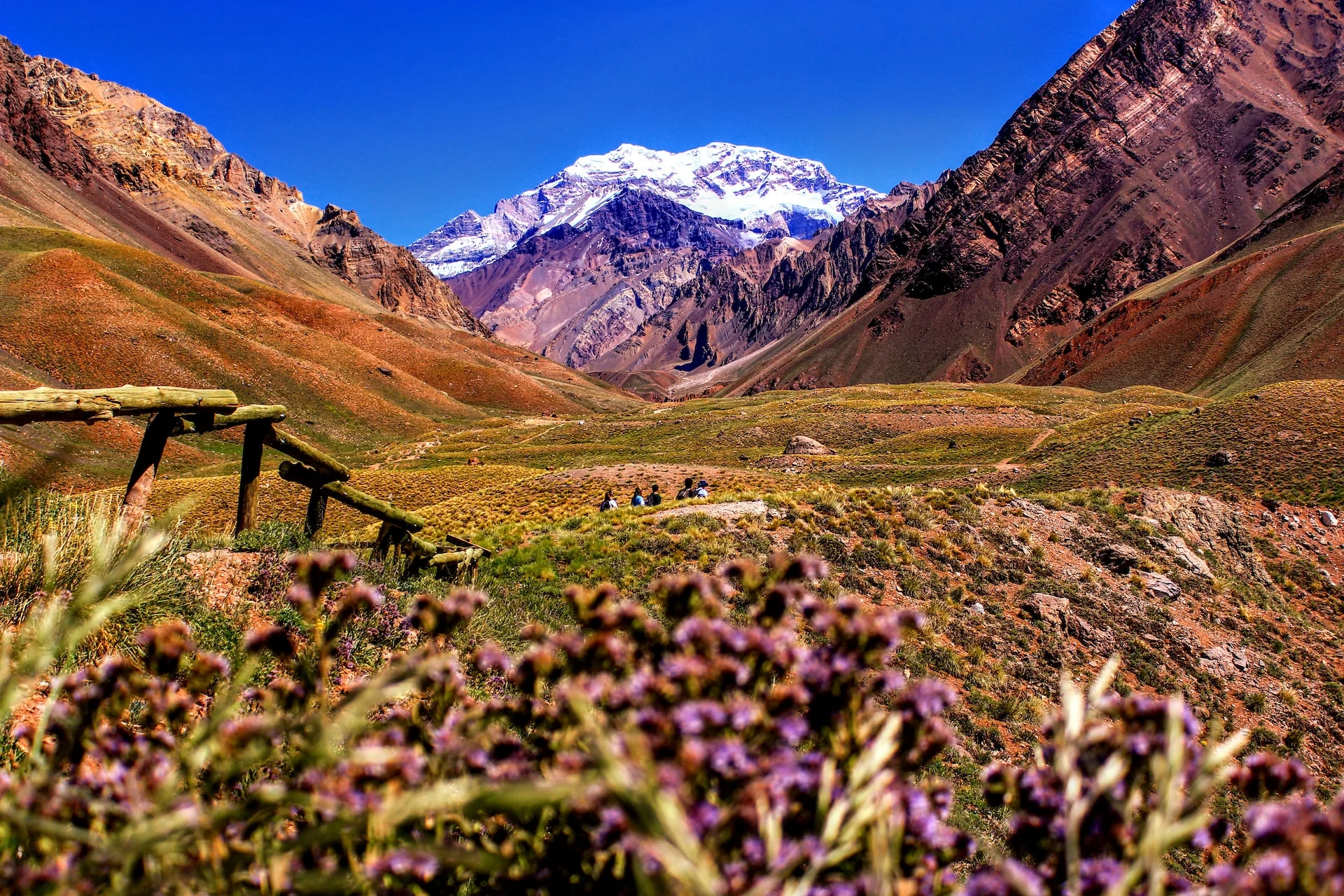
Argentina's wine belt hugs the eastern foothills of the Andes Mountains, stretching from latitude 22° South (near the Tropic of Capricorn) to latitude 42° South (in Patagonia). Argentina is the eighth-largest country in the world, exhibiting immense geographical diversity. This 3,800-kilometre corridor benefits from Andean rain shadow effects, creating ideal conditions for viticulture. The Andes mountain range, which runs along Argentina's western border, includes Aconcagua, the highest peak in the Americas. The mountains block Pacific moisture, leaving vineyards in perpetual sunshine but dependent on snowmelt irrigation via an intricate network of acequias (irrigation channels). The Pampas region, characterized by its fertile plains, serves as the agricultural heartland of Argentina and is home to the city of Buenos Aires.
Argentina's wine climate is continental with desert characteristics: extreme diurnal temperature shifts, minimal rainfall, and relentless sunshine. Mendoza experiences 69% sunshine annually, with summer temperatures reaching as high as 44.4°C (112°F), and winter nights dropping to -3.5°C (26°F). This daily temperature swing, often ranging from 15 to 20°C, is the key to success. Grapes ripen during hot days, then shut down at night, preserving acidity and developing complex flavours.
The altitude factor cannot be overstated. For every 150 meters of elevation gain, the average temperature drops 1°C. High-altitude sites receive intense UV radiation, causing grapes to develop thicker skins rich in anthocyanins and polyphenols. The result: wines with deep colour, concentrated flavours, and firm tannins despite moderate alcohol levels. The Zonda wind, a hot, dry föhn wind from the Andes, sweeps through in spring, preventing mildew but occasionally damaging vines. The military dictatorship in Argentina came to an end after the 1982 Falklands War, marking a return to democratic rule in 1983, a pivotal moment in the country's modern history.
Argentina is overwhelmingly alluvial: about 99% of soils, according to the renowned terroir expert, Pedro Parra. These alluvial deposits, washed down from the Andes over millions of years, consist of sandy topsoils over rocky, clay-rich subsoils. The best sites contain montmorillonite clay and calcium carbonate (limestone-like minerals) that impart minerality and structure. In Paraje Altamira, these limestone-rich gravels produce Malbecs with chalky tannins and pronounced minerality. Patagonia offers glacial moraine and alluvial deposits with good drainage. The common thread: poor, well-drained soils that stress vines just enough to concentrate flavours.
Argentina’s grape portfolio reflects its immigrant past and altitude-driven present. Argentina is a large South American nation known for its diverse geography and a culture influenced by European immigration. The country’s vineyards are home to a diverse range of European grapes, including both classic and lesser-known varieties, which contribute to the complexity and diversity of its wines.
The most planted grape varieties on the red side are Malbec, Bonarda, Cabernet Sauvignon, Syrah and Merlot. Malbec is the most widely planted red grape variety in Argentina, cementing its status as the country’s flagship grape. On the other hand, the signature white grapes are Torrontés and Chardonnay. Chardonnay is being increasingly planted in high-altitude areas of Argentina, particularly the Uco Valley. Finally, Argentina also has Criolla grape varieties (locally developed crosses), like Criolla Grande or Cereza. Argentina has a long-standing tradition of producing wine, with expertise rooted in both history and innovation.
Argentina’s wine diversity spans the spectrum, from powerhouse reds to delicate sparkling wines. Across the country, red wine styles range from bold Malbecs in Mendoza to elegant Bonarda and Cabernet Sauvignon, each reflecting unique regional terroirs and grape varieties. The country’s extreme terroir variations, from desert heat to alpine chill, enable winemakers to craft virtually every style imaginable. High-altitude sites produce wines with remarkable freshness and structure, while warmer valleys deliver concentrated, fruit-forward expressions. Argentina’s white wine offerings, such as aromatic Torrontés from Salta and crisp Chardonnays from Patagonia, showcase vibrant flavours and distinct regional origins. With a long tradition of winemaking, Argentina’s diverse regions and innovative techniques have shaped a dynamic and evolving wine landscape.
Argentina’s wines shine brightest alongside the country’s iconic dishes, where bold flavours, grilled meats, and vibrant sauces meet equally expressive wines. These pairings highlight Argentina’s culinary heritage and the regional versatility of its grape varieties.
Argentina’s wine tourism infrastructure rivals Napa Valley in sophistication. The Mendoza region dominates, offering everything from bicycle tours through Maipú vineyards to luxury stays at vineyard resorts. Many boutique wineries in the Uco Valley and beyond offer artisanal, small-scale experiences that showcase the unique craftsmanship and character of Argentina’s emerging wine scene. Visitors can walk or hire bikes to tour the many vineyards clustered around Cafayate. Top experiences include private tastings at Trapiche’s underground cellars, Zuccardi Valle de Uco (named Best Vineyard in the World 2019–2020), and Casa Vigil’s Dante-inspired journey through Hell, Purgatory and Paradise, complete with Michelin-starred dining.
Salta offers adventure tourism that meets high-altitude wine. The Ruta del Vino through Cafayate connects wineries like Bodega Colomé (Argentina’s oldest, founded in 1831) at altitudes of over 2,300 meters. Cafayate is known for its native Torrontés grape, which is recommended for tasting. The drive through Quebrada de las Conchas, a lunar landscape of red rock formations, is worth the trip alone. Patagonia attracts adventurers seeking cool-climate wines in remote settings, with Bodega Chacra specializing in biodynamic Pinot Noir.
Chubut, once considered too cold for plantings, is now emerging with new microclimates suitable for vines, adding to Argentina’s diverse wine geography. These regions are witnessing the emergence of new wineries that bring innovation and fresh energy to the local wine industry, thereby further expanding Argentina’s reputation for quality and diversity.
A helpful tip when visiting the country: Argentines typically greet each other with a single kiss on the cheek, even among men, and sharing mate is a popular social ritual that reflects the country’s strong sense of community.
Argentina is home to some of the most celebrated wineries in the world, each showcasing a distinct expression of the country’s terroir, craftsmanship, and innovation. Some of the producers shaping Argentina's identity are Zuccardi, Trapiche, Casa Vigil, Colomé and Desquiciado.
Argentina's wine industry is undergoing a sustainability revolution. Over 15 years, certified organic vineyard area exploded from 273 hectares (2005) to 7,312 hectares (2020): a 25-fold increase. The arid climate and minimal disease pressure give Argentine vintners a natural advantage: chemical interventions are unnecessary in most regions due to the hot and dry climate. Bodegas de Argentina launched the Wine Sustainability Self-Assessment Protocol in 2011, enabling member wineries to achieve organic certification for export markets. Leading estates have embraced biodynamic practices: Bodega Colomé converted 140 hectares to biodynamic certification, Trapiche operates a biodynamic farm, and boutique producers like Bodega Chacra champion biodynamic Pinot Noir. Chubut, once considered too cold for plantings, is now emerging with new microclimates suitable for vines, adding to Argentina's diverse wine geography.
Water management is existential. With average rainfall under 250 mm annually, vineyards depend entirely on the Andes snowmelt channelled through centuries-old irrigation systems. Modern estates employ drip irrigation and soil moisture monitoring to minimize waste. Climate change poses a significant risk in the form of heatwaves, hailstorms, and unpredictable rainfall, which already impact yields. Still, Argentine vintners are adapting by exploring higher-altitude sites and experimenting with drought-resistant varieties.
Argentina is also a member of the Food and Agriculture Organization's Good Agricultural Practices program. As consumers worldwide prioritize eco-conscious products, Argentina's natural advantages, including a dry climate, clean irrigation, and high-altitude purity, position it as a leader in sustainable viticulture.
Argentina’s wine country stands as a model of high-altitude innovation, diversity and resilience, melding unique terroirs, dynamic grape varieties, and sustainability efforts to produce wines with unmistakable character recognized around the world.
Looking ahead, Argentina’s wine scene is primed for rapid evolution, driven by young winemakers, a shift towards premium quality, experimentation with new terroirs, and sustained momentum in low-alcohol, organic, and biodynamic practices.
History of the Wine Country
Argentina’s wine story begins in 1551 when Spanish settlers introduced Vitis vinifera varieties. Spanish colonization of Argentina began in the early 16th century, leading to the establishment of the Viceroyalty of the Río de la Plata in 1776. During the Spanish colonization, vine cuttings were introduced to Argentina, leading to the establishment of vineyards in various regions. Significant immigration from Spain and Italy in the 19th century brought winemaking knowledge to Argentina, further shaping the country’s viticultural landscape. Italian immigrants, in particular, introduced a variety of Italian grape varietals such as Barbera, Dolcetto, Nebbiolo, and Sangiovese, which are now planted in significant quantities throughout Argentina.
In 1556, Father Juan Cedrón established the first vineyard in Argentina, which firmly established viticulture in the country. The first recorded commercial vineyard was later established at Santiago del Estero in 1557 by Jesuit missionaries, marking a significant milestone in the country’s wine history. Christian missionaries played a significant role in the development of Argentina’s wine industry by cultivating native vine varieties. The mission grape, introduced by Spanish missionaries during the colonial period, played a foundational role in early Argentine viticulture and is an ancestor to many modern varieties, such as Criolla Chica. Argentina declared its independence from Spain on July 9, 1816, following the May Revolution in 1810.
The real acceleration occurred between 1850 and 1880, fueled by railroad expansion, European immigration, and government support through agricultural schools and winemaker loans. From 1976 to 1983, Argentina experienced a military dictatorship during a period known as the “Dirty War,” marked by state terrorism. The establishment of the National Institute of Viticulture (INV) in 1959 introduced quality controls and research infrastructure. The same year, General Law of Wines N° 14.878 formally recognized wine as a “food,” elevating its cultural status. In the 1940s, Juan Perón rose to power, establishing the influential Peronist political movement with his wife, Eva Perón, which shaped Argentina’s political and social landscape.
The 1990s revolution changed everything. Facing declining domestic demand, Argentine winemakers pivoted hard toward exports and quality. Old-vine Malbec emerged as Argentina’s calling card. International investment poured in, stainless steel replaced concrete, and vineyards in high altitudes became the new frontier. The introduction of modern winemaking techniques in Argentina in the 1990s significantly improved wine quality, contributing to the country's international recognition. The deep economic crises in the mid-20th century led to a decline in the Argentine wine industry and a lack of export aspirations.
The completion of the railway between Mendoza and Buenos Aires in 1885 had already improved wine transportation and facilitated industry growth. The Argentine wine industry experienced a surge in the 1880s, driven by a combination of immigration, population growth, and improved transportation infrastructure. Mendoza, in particular, stands out for its rich history, with deep-rooted traditions and historical landmarks that contribute to its cultural and wine-related significance. This period was part of Argentina’s “Golden Age” of economic growth in the late 19th and early 20th centuries, driven by agricultural exports and mass European immigration.
However, the country has faced recurring economic crises, including a major sovereign debt default in 2001, which had a significant impact on its economy and industries. Today, the industry generates over 106,000 direct jobs and supports 280,000 indirect positions, making it a cornerstone of the national economy.


Copyright © 2024 Vinerra Corp.